
Shockwave Therapy vs. Traditional Pain Treatments: Which is Right for You?
Shockwave Therapy vs. Traditional Pain Treatments: Which is Right for You?
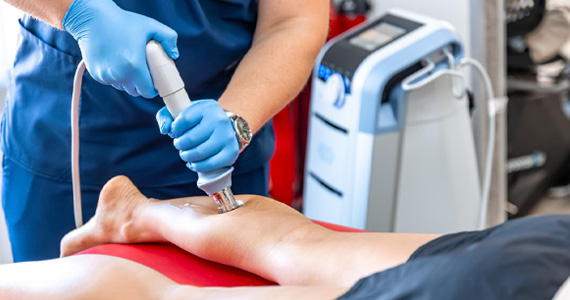 It can be overwhelming for individuals who are suffering from pain and reduced mobility and need the proper treatment. There are so many options that it is helpful to see what new therapy can bring to the table against the tried and true. At Grandview Physiotherapy, we want to make the right decision for your health and recovery.
What is Shockwave Therapy?
Shockwave therapy is a non-invasive treatment that uses sound waves to stimulate healing in sore areas of the body. First used to treat kidney stones, it has now become a popular option for musculoskeletal disorders such as:
- Plantar fasciitis
- Tennis elbow
- Calcific shoulder tendinitis
- Achilles tendinopathy
- Chronic back pain
How Does Shockwave Therapy Treatment Work? Shockwave therapy works by increasing blood flow to the affected area, dissolving scar tissue, and stimulating cellular repair. This targets pain directly at the site and accelerates recovery.
What are Traditional Pain Treatments?
Remedies for pain and inflammation have, in traditional medicine, stood the test of time. Common options include:
Physical therapy: Strengthening and conditioning workouts, as well as manual techniques to keep you limber.
Drugs: Over-the-counter or prescription medications such as NSAIDs and muscle relaxants.
Cortisone injections are anti-inflammatory medications that reduce swelling and pain by being injected.
Heat/Cold treatments: Warm the arms to reduce swelling after stretching or exercise.
Massage: The manipulation of muscles, tendons, or ligaments that contributes to health and well-being.
Comparing the Two: Key Factors to Consider
Effectiveness
- Shockwave treatment will be most effective for chronic conditions and other injuries that have not improved with a course of treatment. High effectiveness in treating plantar fasciitis and tendinopathy has been documented.
- Traditional remedies which have broad accessibility and are applicable for the therapy of acute injuries as well as chronic pain.
Treatment Duration
- In general, the number and length of shockwave applications are 3–6, administered every 15–20 minutes.
- Other kinds of treatment, like physiotherapy or medication, may take longer to have an effect, and you might need them regularly.
Side Effects and Risks
- Most respondents who give shockwave therapy a chance don’t report side effects, but if you do, you may experience mild pain and red skin over the treated area for several days.
- Other orthodox treatments, such as drugs and injections, may have side effects (for example, being sick, being dependent or damaging tissues).
Cost
- While shockwave therapy is more expensive per session, the number of sessions required may put it into a price point as a cost-effective treatment.
- Medicine is cheaper but may require long-term use.
What Is The Right Treatment For You?
It will really come down to your condition, the level of pain you have and yes, your preference for one treatment or the other, whether you choose shockwave treatments over more traditional relief products. Think about these scenarios:
Extracorporeal Shockwave Therapy Is Right for You If:
You either have a chronic or non-responsive situation right now. Otherwise, you are seeking a non-surgical treatment with minimal downtime, and it is non-invasive.”
Consider Conventional Treatments For Persistent Pain If:
You’re working through acute pain, want a less aggressive approach (like physical therapy), or are seeking an orthotic while exploring a long-term solution.
It cannot be that pain must be forever. The good news is that technology has been advancing in the right way, and there is treatment. If you’re interested in learning more about the form of therapy that could work best for your specific health condition, please call us, and we will be happy to assist. We’d love to share this incredible journey of moving well and living life with no pain together with you.